
Introduction (Mushroom farming future of agriculture)
Agriculture is evolving rapidly as the world faces challenges like climate change, shrinking farmland, and increasing food demand. Farmers are now looking for innovative and sustainable methods to produce more with fewer resources. In this changing landscape, mushroom farming has emerged as a smart and efficient alternative to traditional agriculture.
Low Space Requirement
One of the biggest advantages of mushroom farming is that it does not require large agricultural land. Mushrooms can be grown in small indoor spaces such as rooms, sheds, or containers. This makes it ideal for urban farming and for individuals who want to start agriculture-based businesses with limited space.
Minimal Water Usage
Water scarcity is a growing global concern, and traditional crops often require large amounts of water. Mushroom farming, however, uses very little water compared to crops like rice and wheat. This makes it a sustainable farming option, especially in areas where water resources are limited.
Eco-Friendly and Sustainable
Mushroom cultivation supports environmentally friendly farming practices. It uses agricultural waste materials like paddy straw, husks, and corn cobs as growing mediums. This helps in recycling organic waste and reducing pollution, making mushroom farming a key part of sustainable agriculture.
High Nutritional Value
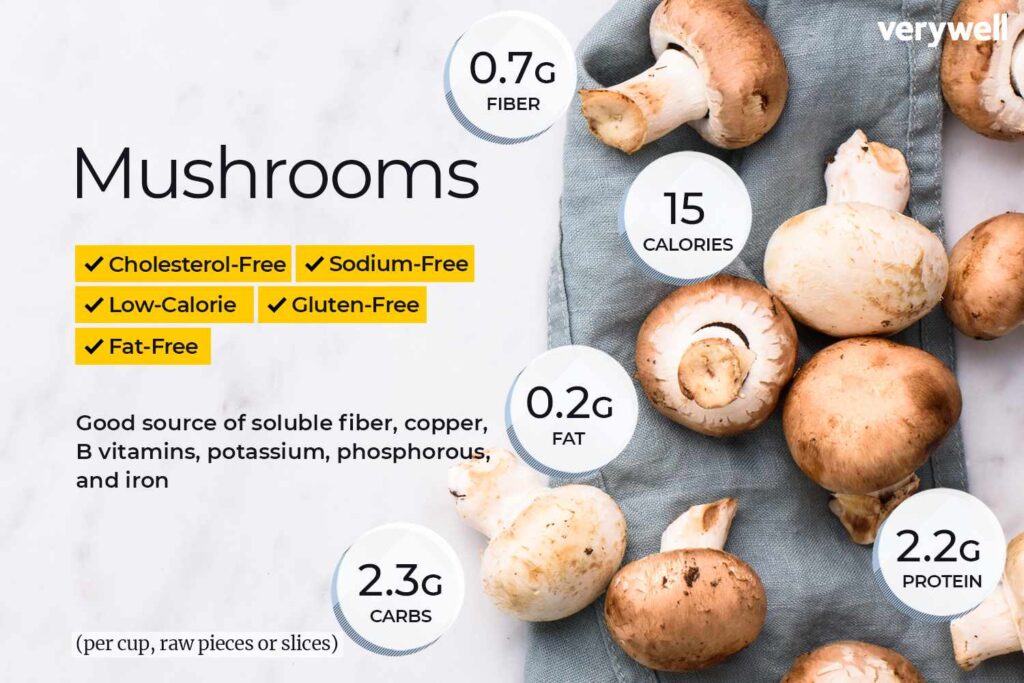
Mushrooms are considered a superfood due to their rich nutritional content. They are packed with protein, vitamins, minerals, and antioxidants. As more people adopt healthier lifestyles, the demand for mushrooms continues to increase, boosting their importance in the food industry.
Low Investment and High Profit(Mushroom farming future of agriculture)
Mushroom farming requires relatively low initial investment compared to other agricultural activities. The crop cycle is short, allowing farmers to harvest within a few weeks and generate income multiple times a year. This makes it a profitable venture for both small farmers and entrepreneurs.
Year-Round Production
Unlike many traditional crops that depend on seasons, mushrooms can be grown throughout the year under controlled conditions. This ensures a steady supply and consistent income, making mushroom farming a reliable agricultural business.
Employment Opportunities
Mushroom farming creates job opportunities in cultivation, processing, packaging, and marketing. It supports both rural and urban employment, helping improve livelihoods and contribute to economic development.
Conclusion
Mushroom farming is a modern agricultural practice that meets the needs of today’s world. Its ability to produce nutritious food using fewer resources, along with its profitability and sustainability, makes it a strong candidate for the future of agriculture. As more farmers and entrepreneurs adopt this method, mushroom farming will continue to grow and play a vital role in building a greener and more efficient agricultural system.